








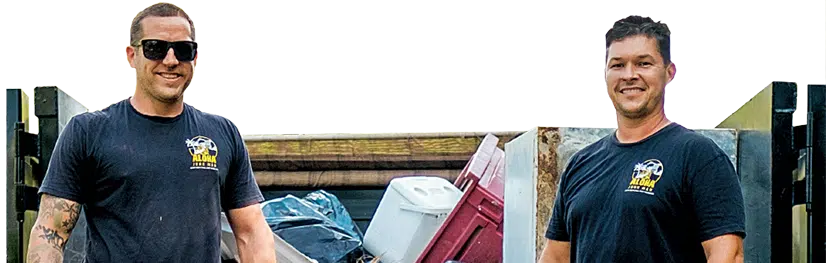

Hawaii’s breathtaking landscapes and vibrant communities face a growing challenge that threatens their beauty and health: illegal dumping. This issue not only mars the scenic views of Honolulu and Kaneohe but also poses significant risks to native wildlife and the well-being of local residents. It’s a problem that requires immediate attention and collective action to preserve the islands’ natural charm and community safety. Understanding the impact of illegal dumping is the first step towards fostering a cleaner, healthier environment for all.
In recent years, the increase in abandoned items, junk, and debris in public spaces has highlighted the urgent need for responsible disposal practices. Illegal dumping not only detracts from the natural beauty of our surroundings but also contributes to pollution and health hazards. Communities around Honolulu have witnessed the direct consequences of such activities, prompting a call to action. It’s clear that safeguarding our environment requires more than just awareness, it demands practical solutions and active participation from everyone.
Fortunately, services like Aloha Junk Man offer a beacon of hope for residents looking to combat illegal dumping effectively. By providing a reliable and eco-friendly option for removing unwanted items, they play a crucial role in keeping our neighborhoods clean and preserving the integrity of our public lands. Their efforts underscore the importance of choosing responsible disposal methods that align with our collective goal of protecting Hawaii’s unique ecosystem and cultural heritage.
As we explore ways to prevent illegal dumping and its harmful effects, it’s essential to remember the power of community involvement and the difference we can make when we work together. From Honolulu to Kaneohe, every action counts in the fight against this environmental issue. By supporting services that prioritize sustainable practices and taking personal responsibility for our waste, we can help ensure that Hawaii’s landscapes remain pristine for generations to come.
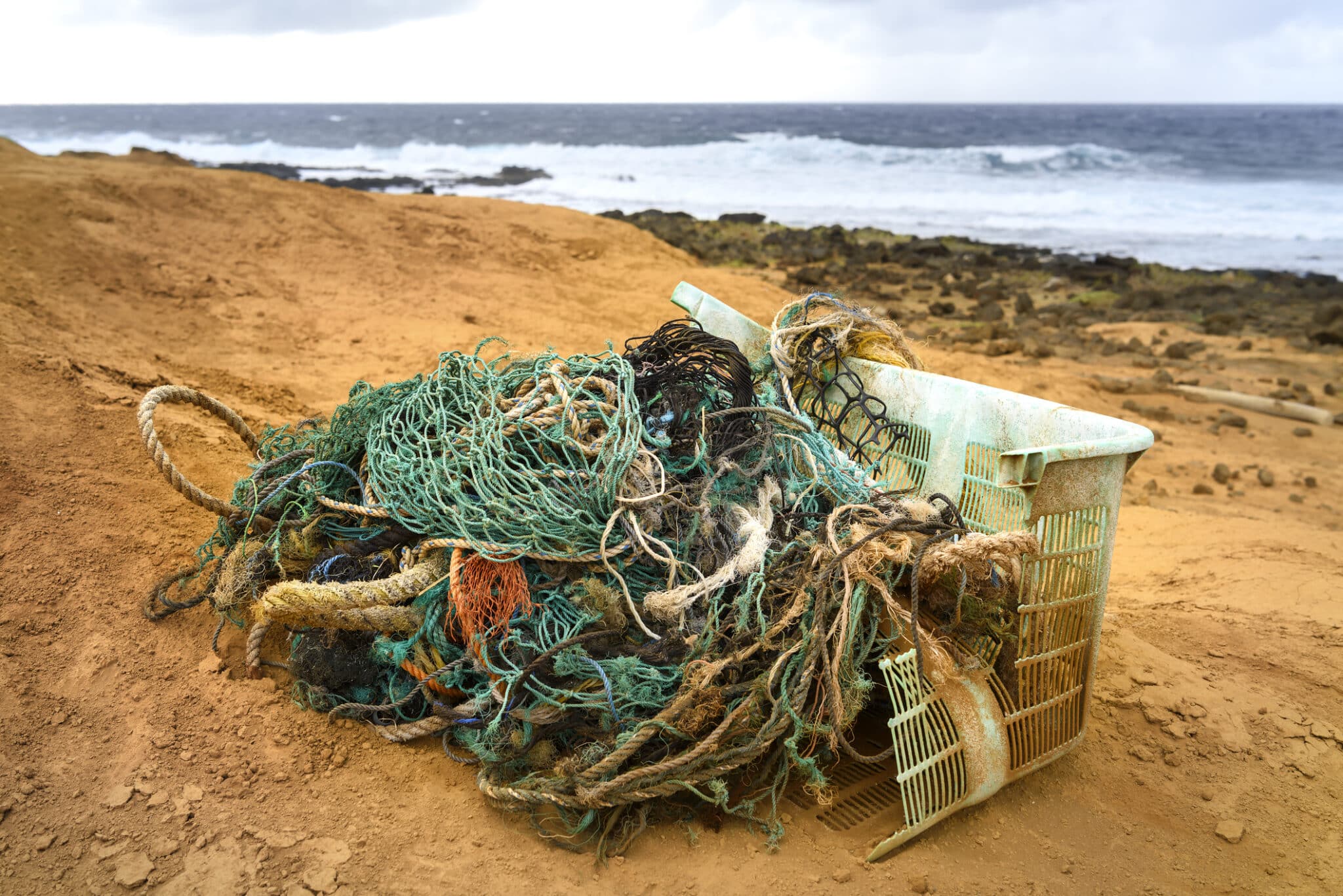
The Impact of Illegal Dumping in Hawaii
Illegal dumping not only spoils Hawaii’s natural beauty but also poses severe risks to public health and safety. Hazardous materials left in our surroundings can contaminate soil and water, leading to long-term environmental damage. Recognizing these dangers is crucial for everyone in the community. By staying informed, we can take proactive steps to prevent these harmful practices.
Taking action against illegal dumping starts with each individual. Simple measures, such as reporting dumped waste and educating others about its consequences, can have a significant impact. Additionally, organizing community clean-up events in areas like Honolulu encourages collective responsibility. These efforts not only clean our environment but also strengthen community bonds.
Companies like Aloha Junk Man play a vital role in addressing the issue of illegal dumping. By offering convenient and responsible disposal services, they remove the temptation for improper waste handling. Their commitment to eco-friendly practices ensures that discarded items are dealt with in a way that protects our public lands. This support is essential for maintaining the health and beauty of places we cherish.
Ultimately, the fight against illegal dumping is a shared responsibility that requires cooperation from individuals, businesses, and local governments. By choosing responsible disposal methods and supporting services that prioritize the environment, we contribute to a cleaner, safer Hawaii. Together, we can protect our precious landscapes and wildlife, ensuring they remain vibrant and unspoiled for future generations.
Identifying Common Illegal Dumping Sites
Illegal dumping sites often lurk in less visible areas where perpetrators believe they can avoid detection. In Honolulu, secluded alleyways and vacant lots become magnets for such activities, attracting piles of waste that threaten the city’s beauty and health. Recognizing these hotspots is crucial for community vigilance. Residents are encouraged to keep an eye on these areas and report any suspicious activities immediately.
In Kaneohe, illegal dumping can also be found along remote roadside stretches, where natural landscapes are marred by the presence of discarded items. These areas, meant to showcase the island’s lush scenery, instead become examples of negligence. By identifying and cleaning these sites, communities demonstrate their commitment to preserving nature’s splendor. Such collective action not only restores the environment but also deters future dumping.
Waterways and nearshore areas represent another common target for illegal dumping, impacting marine life and water quality. Debris left in these locations can lead to significant ecological consequences, affecting both land and sea. Residents must prioritize the protection of these critical habitats by ensuring waste is disposed of properly. Supporting services that offer responsible waste removal can make a substantial difference in these efforts.
Lastly, construction sites in both urban and rural areas are susceptible to becoming illegal dumping grounds. Materials left unattended can quickly accumulate, posing safety risks and environmental hazards. It’s vital for site managers to secure areas and for the community to report any unauthorized dumping. Together, through vigilance and responsible waste management, we can combat illegal dumping and protect Hawaii’s natural and urban landscapes.
How Illegal Dumping Affects Native Wildlife
Illegal dumping poses a significant threat to Hawaii’s native wildlife, disrupting their natural habitats and food sources. In Honolulu, when waste is improperly disposed of, it attracts pests that can harm bird populations and other species. These actions upset the ecological balance, endangering the survival of various animals. By preventing illegal dumping, we safeguard these creatures and their environments.
In Kaneohe, discarded items can become lethal traps for curious wildlife, leading to injuries or death. Animals often mistake small pieces of litter for food, resulting in ingestion of harmful materials. This not only affects individual health but can also have ripple effects on the entire ecosystem. It’s crucial to manage waste responsibly to protect these vulnerable populations.
Marine life suffers greatly from illegal dumping, especially when waste finds its way into Hawaii’s waters. Turtles, fish, and seabirds can get entangled in debris or ingest plastics, mistaking them for jellyfish or other prey. Such incidents highlight the importance of proper waste disposal practices to preserve marine biodiversity. Supporting eco-friendly waste removal services plays a key role in this effort.
Lastly, illegal dumping disrupts the food chains that native wildlife rely on. When habitats are polluted, the availability of natural food sources diminishes, forcing animals to venture closer to urban areas in search of sustenance. This not only puts wildlife at risk but also leads to conflicts with humans. Together, we can combat illegal dumping and ensure the health and safety of Hawaii’s native species.
Community Health Risks Associated with Illegal Dumping
Illegal dumping not only affects Hawaii’s natural beauty and wildlife but also poses serious risks to community health. In Honolulu, discarded waste becomes a breeding ground for pests and rodents, leading to the spread of diseases. These vermin can carry harmful pathogens, which threaten the well-being of local residents. By preventing illegal dumping, we contribute to a healthier environment for everyone.
In Kaneohe, the consequences of illegal dumping extend to water contamination. Hazardous materials and chemicals can leach into the soil and waterways, affecting both drinking water and aquatic life. This pollution poses significant health risks to communities, highlighting the need for proper waste disposal practices. Supporting responsible waste management services is crucial in safeguarding our water resources.
Moreover, illegal dumping creates unsightly and unsafe areas that can deter community engagement and outdoor activities. When public spaces are littered with debris, residents are less likely to participate in recreational activities, affecting overall community health and cohesion. By keeping our neighborhoods clean, we encourage a more active and socially connected community.
Lastly, the accumulation of waste in unauthorized areas can lead to increased fire hazards, especially in dry conditions. Fires in these dump sites can release toxic fumes, posing serious respiratory risks to nearby residents. It’s essential for communities to work together in reporting and cleaning up illegal dumping sites to prevent such dangerous situations. Together, we can protect our health and ensure the safety of our beautiful islands.
Legal Consequences of Illegal Dumping in Hawaii
Illegal dumping carries not only environmental but also legal repercussions in Hawaii. Authorities in Honolulu enforce strict regulations to deter individuals and businesses from disposing of waste unlawfully. Fines for such violations can be substantial, serving as a financial deterrent. These measures underscore the seriousness with which the state views the protection of its natural and urban environments.
In addition to fines, repeat offenders in Kaneohe may face more severe consequences, including community service or even jail time. This approach highlights the commitment of local governments to combat illegal dumping aggressively. By imposing such penalties, they aim to not only punish but also educate the public on the importance of responsible waste management.
Legal action against illegal dumping also involves restitution, requiring violators to cover the cost of cleanup and any environmental restoration needed. This ensures that the financial burden of their actions falls on the perpetrators, not the community. It’s a strategy that reinforces the principle of accountability, encouraging individuals to think twice before engaging in such activities.
Moreover, Hawaii’s legal framework for dealing with illegal dumping is designed to be a collaborative effort between law enforcement, environmental agencies, and the community. Residents are encouraged to report any instances of illegal dumping they witness, playing a crucial role in the enforcement process. This collective vigilance is essential for maintaining the beauty and health of Hawaii’s landscapes and neighborhoods.
Preventing Illegal Dumping: Tips for Residents
To effectively prevent illegal dumping, residents of Honolulu can start by being vigilant in their neighborhoods. Keeping an eye out for unusual activities or abandoned waste helps deter offenders. By promptly reporting suspicious behavior to authorities, communities become less attractive targets for dumpers. This collective effort significantly contributes to maintaining the cleanliness and safety of our local environment.
In Kaneohe, organizing and participating in community cleanup events is a powerful way to combat illegal dumping. Such initiatives not only clear existing waste but also foster a sense of pride and ownership among residents. When people feel connected to their surroundings, they are more likely to protect them. This proactive approach serves as a deterrent to potential violators, showcasing community solidarity against environmental disrespect.
Educating friends, family, and neighbors about the consequences of illegal dumping is another crucial step. Sharing information on the environmental, health, and legal repercussions raises awareness and discourages negligent behavior. Knowledge empowers individuals to make responsible waste disposal choices, reinforcing the notion that everyone has a role in preserving Hawaii’s natural beauty.
Lastly, leveraging local services that offer responsible waste disposal options can significantly reduce the incidence of illegal dumping. Companies like Aloha Junk Man provide convenient solutions for removing large items, preventing them from ending up in unauthorized areas. By choosing eco-friendly disposal methods, residents actively contribute to a cleaner, healthier Hawaii, ensuring our public lands remain pristine for future generations.
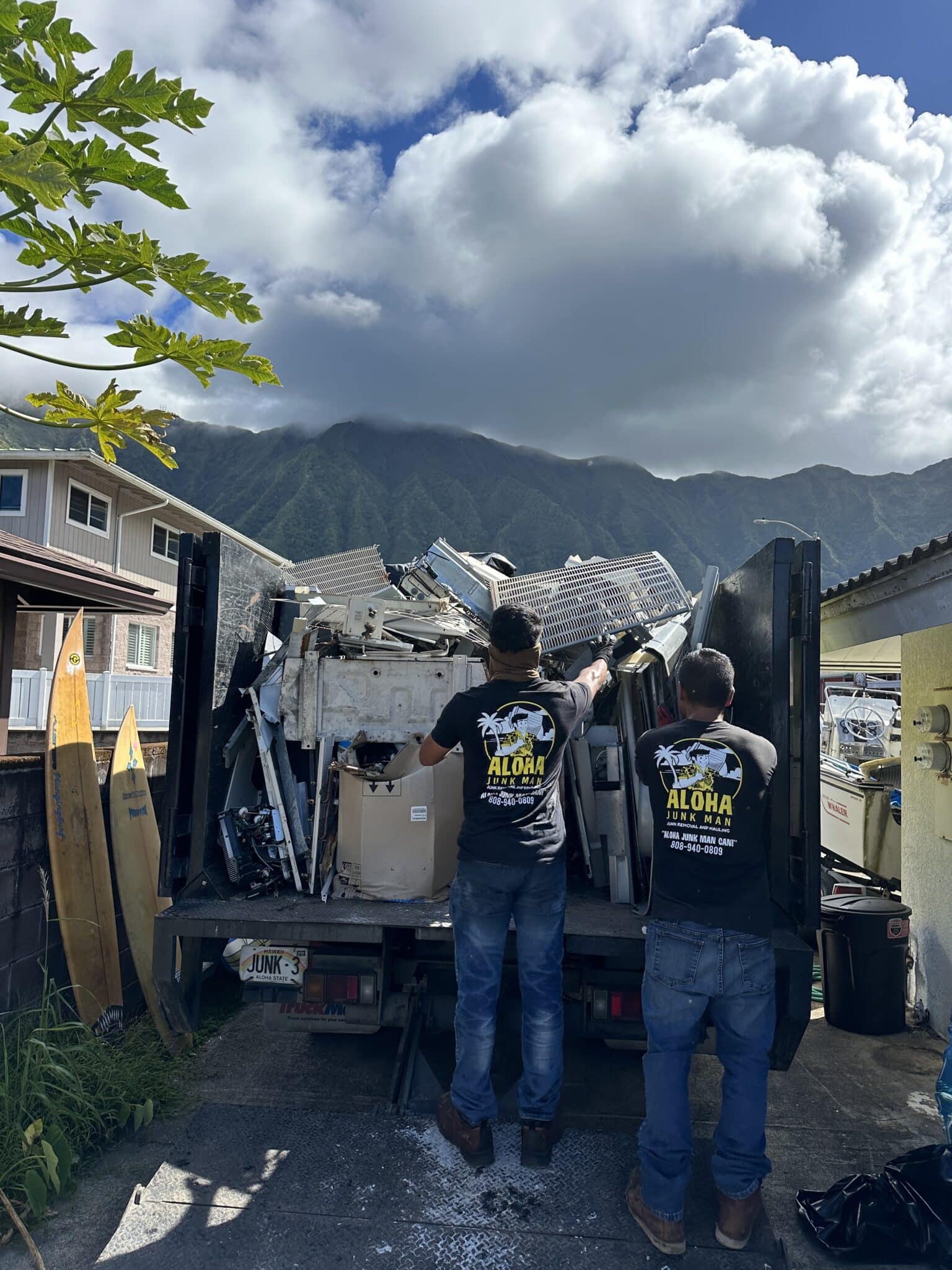
Aloha Junk Man: A Solution to Illegal Dumping
Aloha Junk Man stands as a beacon of hope in the fight against illegal dumping, offering a practical and responsible solution for the residents of Honolulu. By providing an easy and eco-friendly way to dispose of unwanted items, they help prevent the accumulation of waste in unauthorized areas. Their services not only keep the neighborhoods clean but also protect the natural beauty of our public lands. This commitment to sustainability and community well-being makes them a valuable ally in preserving Hawaii’s environment.
In Kaneohe, the presence of services like Aloha Junk Man empowers residents to take decisive action against illegal dumping. With the convenience of professional junk removal, individuals are less likely to resort to improper disposal methods. This proactive approach not only reduces environmental hazards but also fosters a culture of responsibility and respect for the land. It’s a testament to how local businesses can play a crucial role in environmental conservation.
The fight against illegal dumping requires a collective effort, and Aloha Junk Man exemplifies how businesses can contribute to this cause. By offering an alternative to landfill dumping, they encourage the community to adopt more sustainable waste management practices. Their dedication to responsible disposal serves as a model for others, highlighting the importance of choosing eco-friendly options. It’s a step towards a cleaner, healthier future for all residents of Hawaii.
Ultimately, Aloha Junk Man’s efforts in combating illegal dumping go beyond mere waste removal, they symbolize a commitment to the health and preservation of Hawaii’s unique ecosystems. Their services not only alleviate the burden on public lands but also inspire community involvement and awareness. By choosing to support businesses that prioritize the environment, residents of Honolulu and Kaneohe can make a significant impact. Together, we can protect our beloved islands from the threats of illegal dumping, ensuring their beauty remains intact for generations to come.
Organizing Community Clean-Up Events
Organizing community clean-up events is a powerful way to combat illegal dumping in Honolulu. These gatherings not only remove existing waste but also bring neighbors together, fostering a shared commitment to a cleaner environment. By participating, residents demonstrate their dedication to preserving the beauty of their surroundings. This collective action sends a strong message against the careless disposal of waste.
In Kaneohe, community clean-ups serve as educational platforms, offering a hands-on experience in environmental stewardship. Volunteers learn about the impact of illegal dumping firsthand, gaining insights into the importance of proper waste management. This knowledge encourages more responsible behaviors, reducing the likelihood of future dumping. Such events empower individuals, equipping them with the information and motivation needed to protect their community.
The success of these clean-up efforts often inspires ongoing vigilance against illegal dumping. Residents become more attentive to their neighborhoods, ready to report suspicious activities to authorities. This heightened awareness acts as a deterrent, making would-be dumpers think twice before discarding their waste improperly. Over time, these actions contribute to a significant decrease in illegal dumping incidents.
Moreover, the visibility of community clean-ups highlights the issue of illegal dumping to the broader public. It draws attention to the problem and the collective efforts required to address it. As more people join in, the movement grows stronger, creating a culture of respect and care for the environment. Together, residents of Honolulu and Kaneohe can make a lasting impact, ensuring their islands remain pristine and beautiful.
Frequently Asked Questions
What is illegal dumping?
Illegal dumping refers to the unauthorized disposal of waste on public or private land. This practice harms Hawaii’s beautiful landscapes and threatens native wildlife. It also poses serious health risks to communities. Companies like Aloha Junk Man play a crucial role in offering responsible waste removal services to combat this issue.
How does illegal dumping affect Hawaii?
Illegal dumping damages Hawaii’s stunning landscapes, turning pristine areas into unsightly waste grounds. It endangers native wildlife, disrupting their natural habitats and food sources. This practice also poses health risks to local communities by contaminating water sources and spreading disease. Services like Aloha Junk Man offer a solution by safely removing unwanted items and helping to keep the environment clean.
Who enforces laws against illegal dumping?
In Hawaii, various government agencies take charge of enforcing laws against illegal dumping. These include local police departments, environmental protection agencies, and public works departments. They work together to investigate reports, issue fines, and clean up affected areas. By partnering with companies like Aloha Junk Man, they also promote legal and responsible waste disposal methods.
What can residents do to prevent illegal dumping?
Residents can play a vital role in preventing illegal dumping by staying vigilant and reporting any suspicious activities to local authorities. They should also practice responsible waste disposal, using services like Aloha Junk Man for large or hazardous items. Encouraging community clean-up events helps maintain clean neighborhoods. Lastly, educating others about the impact of illegal dumping on Hawaii’s environment fosters a culture of respect and care for public lands.
Are there penalties for illegal dumping in Hawaii?
Yes, Hawaii imposes strict penalties for illegal dumping. Offenders may face hefty fines, community service, or even jail time. These consequences aim to deter people from harming the environment. By following legal disposal methods, like those offered by Aloha Junk Man, residents can avoid these penalties.